
- ABOUT TRANSPRK LASER VISION CORRECTION -
What is transprk surgery?
TransPRK surgery is a surgical procedure that corrects a wide range of nearsightedness, farsightedness, and astigmatism by quickly and cleanly removing the very outermost layer of the eye, called the epithelium, without the use of tools, alcohol, or suction. This touch-free procedure is non-invasive, safe, and gentle to the eye.
what does transprk mean?
Transepithelial Photo Refractive Keratectomy (TransPRK), is a name for a type of laser vision correction where both the epithelium and stroma are removed in a single-step.
how long has transprk been performed?
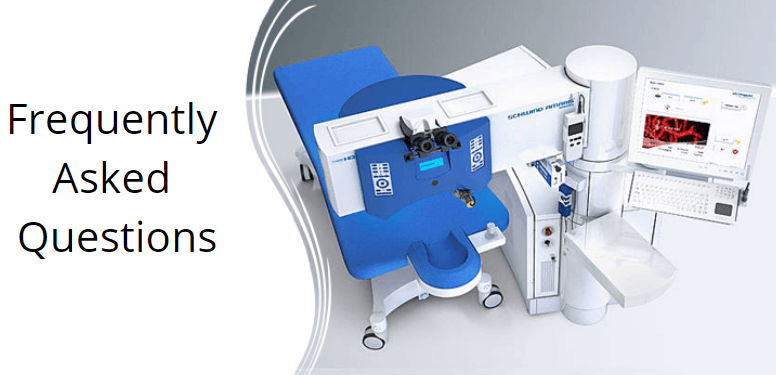
TransPRK vision correction has been performed around the world for over a decade. It was first implemented on the Amaris laser (Schwind eye-tech-solutions) in 2009, while the use of excimer laser in PRK was first approved by Health Canada in 1991, and in the U.S. in 1995. The components of this procedure have a long history of over 50 years.
- ELIGIBILITY -
Who benefits from transprk?
TransPRK can benefit a great number of patients with myopia, hyperopia, and astigmatism. It is also a great option for those who are not candidates for traditional LASIK, such as patients who have extremely thin or irregularly shaped cornea. Due to its all-laser, no-touch, and no blade characteristics, TransPRK does suit a wider range of candidates as compared to other refractive surgeries.
Who cannot have transprk?
There are numerous factors, and eye conditions that our doctors must evaluate before determining eligibility. Here are some examples of contraindications:
- The start or the presence of cataracts
- Insufficient corneal tissue
- Pregnancy
- Pre-existing conditions that prohibit laser vision correction
In the event that this is your situation, our doctors will advise you accordingly and may look into alternative options.
do i need a referral from my eye doctor?
No referral is needed to set up a consultation, however many Optometrists would be happy to help assist you in connecting with our office.
- RESULTS & SAFETY -
how safe is the transprk procedure?
Studies show that the TransPRK procedure has minimal risks of complications as it safely removes tissue that is absolutely necessary without collateral damage.
Unfortunately, there is no such thing as risk-free surgery. All surgeries will have the risk of complications such as infections, inflammation and under/over correction. However, such conditions rarely occur. Nevertheless, to ensure a problem free recovery, patients are given post-surgery instructions to follow.
what happens if i move my eye during the procedure?
The Schwind Amaris systems have a built-in eye tracker that follows the eye in 7 dimensions. If for any reason, during the procedure the eye should move, the laser will pause and resume when the eye is properly fixated.
will i experience pain during this procedure?
There is absolutely no pain during this procedure. The Surgeon instills Alcaine drops to numb the eyes, to ensure a painless procedure.
what will my vision be like after the transprk procedure?
Immediately after the laser treatment, the vision will already be clearer than normal. However, there will be a phase of fluctuation that can last up to 6-8 weeks. The vision will continue to improve, and you should be able to see tremendous improvement by the end of this period.
WHAT WILL MY EYES FEEL LIKE AFTER THE SURGERY?
After the procedure, it is normal to experience stinging, irritation, watery eyes, and light sensitivity. This particular phase can last about 3-5 days.
are the results of transprk permanent?
The effects of TransPRK are permanent. However, it is important to keep in mind that there can be internal changes to the eyes over time.
On another note, while results are usually stable, there still may be a possibility for modification in the future through an enhancement procedure, if necessary.
will i still need my glasses after the procedure?
After the TransPRK procedure, there will be no need for the use glasses.
Patients over the age of 40 are assessed for presbyopia, and are offered alternative custom options such as monovision treatment to help eliminate the need for reading glasses, if necessary.
when can i return to work?
After the procedure, we do ask that you take at least one week off before returning to work.
- PRICE & PAYMENT OPTIONS -
when will i know the cost of the procedure?
The final quote for this procedure will be given by our refractive consultant on the day of your consultation.
are there financing options available?
Aqua I Laser has partnered with Medi Card Financing to provide financing plans with $0 down payment. Instructions of how to apply will be given at your consultation.
WILL MY INSURANCE COVER THIS PROCEDURE?
Depending on the plan you have set up with your employer, your insurance may cover laser procedures up to a maximum amount. We encourage to discuss this with your HR or insurance provider for further details.
In the event that your insurance covers for laser surgery, we can provide you a second copy of the invoice to submit manually for reimbursement.